


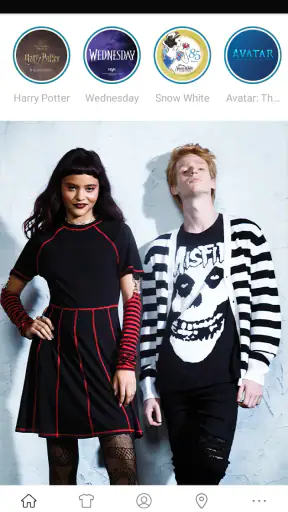
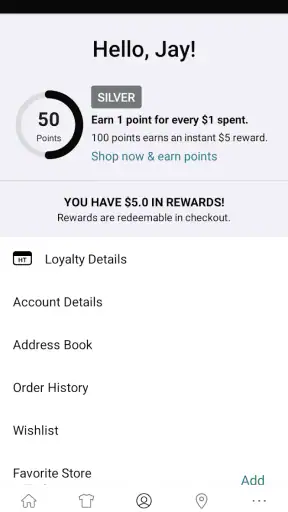
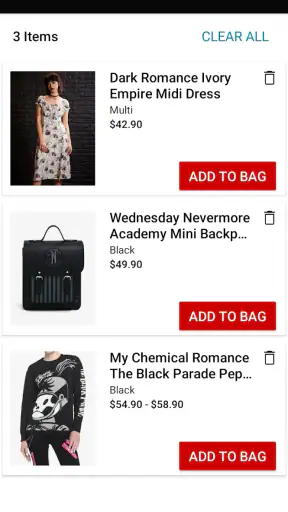
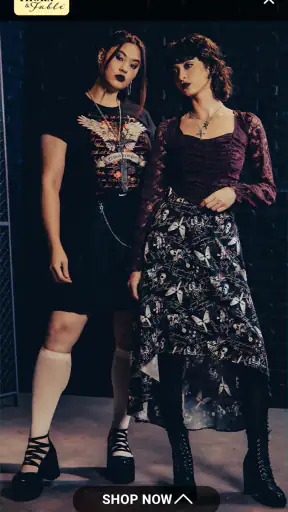
I opened Hot Topic: Pop Culture Fashion with a very specific shopping problem: I wanted officially licensed pop-culture clothing and collectibles without jumping between several unrelated storefronts. That is the app’s strongest starting point. It is a free shopping app from HOTTOPIC INC, aimed at people who already know the pleasure of browsing band-inspired fashion, fandom clothing, and collectible releases in one place.
My first impression was less about discovering a revolutionary shopping tool and more about having a focused destination. The app brings together fashion and merchandise built around music, pop culture, and Funko releases. That focus matters because the experience feels more like browsing a fandom-oriented catalog than using a general marketplace where licensed products compete with everything else.
It has been available since February 16, 2017, and its current version is 2025.SS-1.1.2. The app is rated for Everyone and works on Android 8.0 or later. Those details make it approachable for a broad audience, although parents should still remember that an age rating describes general suitability, not whether every product will match a child’s size, taste, or household budget.
From a vague fandom idea to a planned order
The most realistic way to use this app begins with an unfinished idea. Maybe I need a birthday present for someone who collects Funko figures. Maybe I want a hoodie connected to a favorite artist or franchise. Maybe I am looking for a small accessory rather than another large purchase. Instead of opening a general shopping app and searching through unrelated results, I can start inside a store whose identity already matches that intention.
That saves time at the discovery stage, but it also changes how I browse. I am more likely to explore by interest and visual appeal than by a strict shopping list. This is useful when I want inspiration, but it can encourage casual browsing. My practical advice is to decide whether I am shopping for a person, a fandom, or a specific product type before opening the catalog. That small decision keeps the session from turning into an endless scroll.
For gift shopping, I would first write down three things outside the app: the recipient’s favorite theme, the kind of item they already own, and whether clothing or a collectible would be more useful. That preparation is especially helpful here because pop-culture merchandise can be tempting even when it does not solve the original need. A clear starting condition makes the app feel like a tool rather than a source of distractions.
The catalog’s appeal comes from its combination of categories that are related but not identical. Clothing can be practical, while a collectible is more personal and display-oriented. Music merchandise may depend heavily on the recipient’s current interests, whereas a familiar character or broader pop-culture theme may be safer for a gift. I like having those possibilities together, but I would not treat them as interchangeable choices.
How I move from browsing to a shortlist
I approach the first pass quickly. I look for the visual theme, then narrow my attention to items that fit the occasion and the person. The important step is not simply finding something recognizable; it is checking whether the product type makes sense. A graphic top can be a good everyday gift for someone who wears fandom clothing, while a figure may be better for a collector who prefers objects that stay on a shelf.
This is one of the app’s less obvious strengths: it supports a two-stage decision. I can use the broad catalog for inspiration, then switch into a more disciplined comparison between a few candidates. That is better than deciding from the first appealing image. I would compare the design, the usefulness of the item, and the likelihood that the recipient already has something similar.
For clothing, I would slow down before committing. The practical risk is not finding a design; it is choosing the wrong fit or assuming that a familiar character makes the item automatically suitable. I would check the product information carefully, compare the available sizing details with a garment the recipient already owns, and avoid guessing from a model image. This is a general shopping habit, but it is particularly important when the emotional appeal of a fandom design makes a quick decision feel justified.
For collectibles, my workflow is different. I would think about duplicate ownership, display space, and whether the recipient collects a particular series or simply likes the character. A visually exciting item can still be a poor gift if it repeats something already owned. The app is helpful for discovery, but the final decision still benefits from information gathered outside the screen.
The handoff from app discovery to real-world confidence
Shopping apps often make the first part easy and the final part uncertain. I can discover an item quickly, but I still need confidence about the handoff from digital listing to physical product. With this app, I would treat the product page as the point where casual browsing ends. Before adding anything, I would read the description, inspect the images closely, and verify the variant or size rather than relying on the thumbnail.
That habit is especially useful for officially licensed merchandise. The license or recognizable artwork may be the reason I want the item, but it does not tell me whether the design is subtle or loud, whether the garment suits everyday use, or whether the collectible fits the recipient’s existing collection. I would also keep the intended use in mind: a gift for a concert-going friend calls for a different choice from a small surprise for someone who decorates a desk.
The handoff also includes another person when I am buying a gift. I may need to ask a discreet question about size, favorite characters, or duplicate collectibles without revealing the purchase. In that situation, the app works best as the visual research stage. I can save the product idea mentally or return to it later, while the actual confidence comes from matching the item to information about the recipient.
I would not use the app as my only source of urgency. A limited-looking release or an exciting design can create pressure to buy immediately, but a careful shopper should still pause long enough to confirm the item, variant, and intended recipient. The app’s focused catalog makes impulse decisions easy, so a short checklist is a worthwhile counterweight.
A realistic everyday shopping session
Imagine that I need a birthday gift for a friend who likes animated characters and collects small figures. I open the app, browse the relevant pop-culture merchandise, and create a shortlist mentally rather than choosing the first item I see. I then separate the options into two groups: something wearable and something displayable. Because I know my friend already has limited shelf space, I favor a smaller accessory or clothing item over a large display piece.
Next, I inspect the product details and compare the likely usefulness of each option. If I do not know the correct clothing size, I move away from apparel and choose an item that does not depend on fit. That is a practical trade-off the app cannot make for me. The catalog provides the possibilities; my knowledge of the recipient determines whether the purchase is sensible.
Before completing the order, I would review the cart as if I were receiving it: Is the theme correct? Is the selected variant the one I intended? Would this still be a good gift if the recipient already owned a similar item? This final pause is more valuable than adding several products simply because they belong to the same fandom.
The outcome of that workflow is not necessarily a larger order. In my view, a successful session may end with one well-matched item, or with me deciding to wait until I can confirm a size or preference. That is a sign of useful shopping rather than a failure of the app. Its job is to help me find the right possibility, not to replace judgment.
Where it compares well with ordinary shopping alternatives
Compared with a general marketplace, this app has a clearer personality. A broad retailer may offer more unrelated products and sometimes make price comparison easier, but it also creates more noise. When I already want fandom fashion or licensed collectibles, a specialized catalog reduces the amount of irrelevant searching.
Compared with visiting a physical store, the app is more convenient for browsing across themes without traveling. I can explore music-related clothing, pop-culture items, and Funko releases in the same shopping environment. The trade-off is that a physical store lets me inspect fabric, judge a garment’s feel, and sometimes understand its scale more naturally. For clothing, that physical advantage can matter more than the convenience of digital browsing.
Compared with searching directly through a brand or artist’s separate merchandise channel, the app can be a better starting point when my interests are broad. I may not know exactly which fandom I want to shop for, and a mixed catalog can spark an idea. However, if I am seeking one very specific release or need the deepest possible information about a single brand, a dedicated official channel may offer a more focused route.
Compared with secondhand marketplaces, the app is better suited to someone who wants a straightforward retail discovery experience rather than hunting for discontinued pieces. Secondhand platforms can be stronger for rare items, older designs, or bargains, but they also require more checking of seller details and condition. I would choose this app when the priority is browsing current licensed merchandise in a recognizable store environment.
Small habits that make the experience better
My first useful habit is separating inspiration from commitment. I browse once to understand what catches my attention, then return to the strongest candidates with a specific purpose. This prevents the visual energy of pop-culture merchandise from deciding the purchase before I have considered fit, use, or duplication.
My second habit is treating clothing and collectibles as different shopping tasks. Clothing should be evaluated around fit, frequency of wear, and whether the design suits the recipient’s everyday style. Collectibles should be evaluated around collection overlap, display space, and personal significance. Using the same decision rules for both categories is an easy way to choose an attractive but unsuitable gift.
My third habit is using the app as part of a handoff rather than as the whole process. If I am buying for someone else, I confirm preferences separately. If I am buying for myself, I check my existing wardrobe or collection before browsing. That simple preparation turns the app’s broad selection into a more manageable set of choices.
A fourth practical insight is to avoid confusing recognition with value. A famous character or artist can make a product instantly appealing, but the best purchase is the one that will actually be worn, displayed, or enjoyed. I would rather buy one item that fits the person’s habits than several pieces chosen only because the artwork is familiar.
Where the flow breaks down
The app is not the right choice for every shopping situation. If I need the absolute lowest price, a broad comparison-shopping approach may be more appropriate. If I need a precise size with no room for error, an in-person store can reduce uncertainty. If I am searching for an older or unusual collectible, a secondhand marketplace may have better odds.
The focused catalog can also become a weakness when I am undecided. Because many products are emotionally appealing, browsing without a budget or purpose can lead me away from the original need. I would skip the app for a quick, strictly practical purchase where fandom is irrelevant; a general retailer would probably get me to the answer faster.
Another point of friction is the gap between seeing an item and knowing how it will work in daily life. A product image can communicate the theme, but it cannot fully replace checking measurements, considering fabric expectations, or imagining the item in the recipient’s room. I would never let the app’s visual presentation override those practical checks.
There is also a difference between discovering a product and completing a satisfying purchase. The app can help with the first stage, but the final outcome depends on careful selection and the real-world handoff. That makes it more valuable for considered fandom shopping than for completely automatic buying.
Who will get the most from it
I would recommend this shopping app to fans who enjoy browsing licensed fashion and collectibles in a dedicated environment. It is particularly useful when I have a broad theme in mind but not a precise product, or when I am looking for a gift connected to music, characters, or collectible culture. The free price makes it easy to try without adding an upfront app cost.
Its reach is reflected in an average rating of 4.0 from around 14 thousand ratings, with more than a million installs. I read that as evidence of a substantial audience rather than a guarantee that every shopping session will be smooth. A store app can be popular and still be a poor fit for someone who values strict comparison shopping, physical inspection, or a very specialized search.
I would be more cautious about recommending it to someone who dislikes browsing, has no interest in pop culture merchandise, or needs a purely functional shopping tool. The app’s value comes from its themed selection and the enjoyment of exploring it. Without that interest, the same focus that helps fans may feel limiting.
HOTTOPIC INC has built the app around a recognizable retail identity, and that identity is its main advantage. I do not open it expecting a neutral marketplace. I open it when I want the shopping environment itself to reflect fandom interests, then I use my own judgment to filter the appealing options.
My final take after following the whole workflow
For me, Hot Topic: Pop Culture Fashion works best from a clear starting condition to a deliberate result: identify the fandom need, browse for ideas, narrow the choices, verify the practical details, and only then decide whether the item belongs in the cart. That workflow respects both sides of the experience. The app makes discovery enjoyable, while the shopper remains responsible for fit, usefulness, collection overlap, and budget.
I like it as a specialized destination rather than as my all-purpose shopping app. Its combination of officially licensed pop-culture merchandise, music-oriented fashion, and Funko-focused browsing gives it a distinct purpose. The main limitation is equally clear: the themed selection can encourage impulse browsing, and digital product pages cannot eliminate every uncertainty that comes with clothing or collectibles.
My recommendation is simple: install it if you want to explore fandom fashion or choose a gift with a strong pop-culture connection. Go in with a short plan, treat apparel and collectibles differently, and pause before confusing an exciting design with the right purchase. The best result comes from using the app for discovery and your own real-world knowledge for the final decision.


